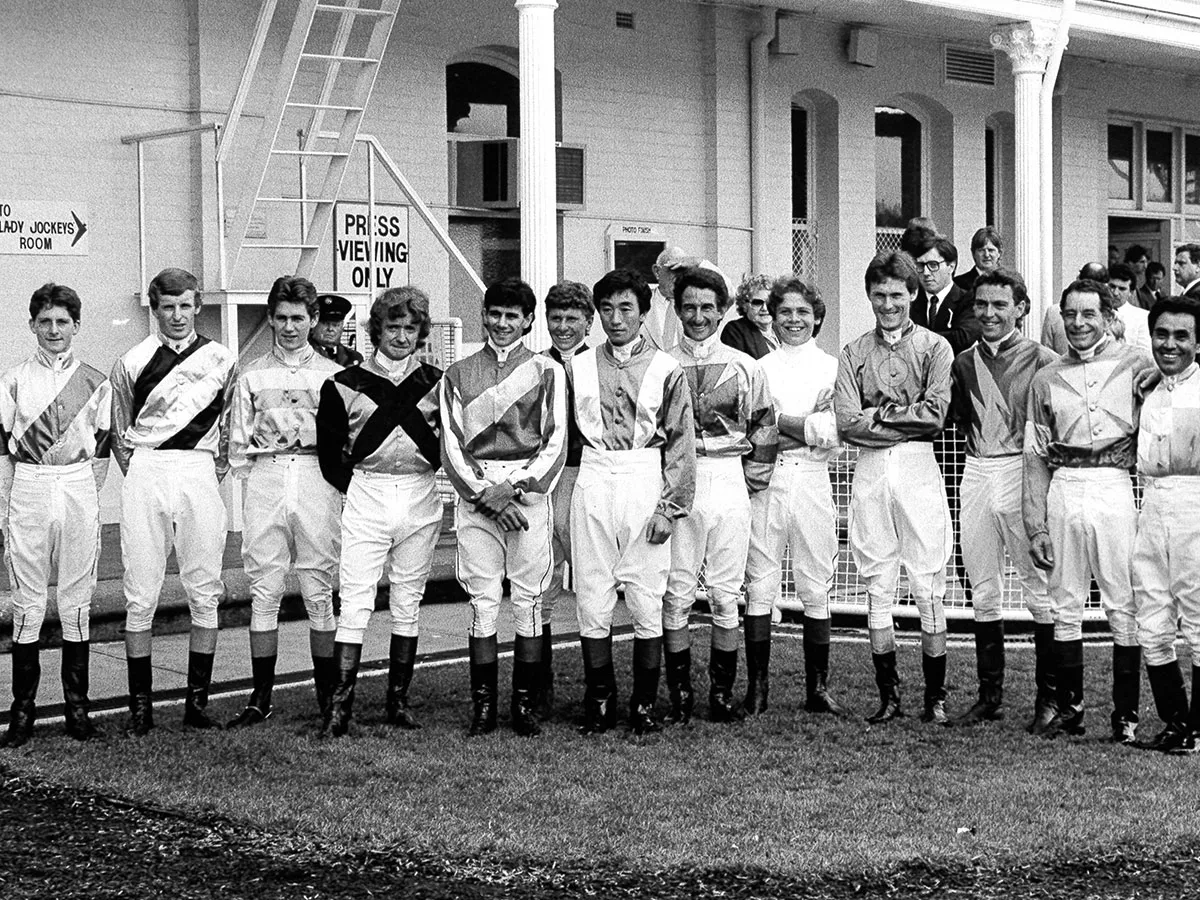


The Heritage of Sydney Racing
Since October 1810 when Sydney’s first official race took place in Hyde Park, horse racing has been at the cultural heart of the city.

The ATC’s Heritage
Please note that the ATC Heritage Centre is currently closed and will remain so until further notice.
However, access to a limited ATC Library is available upon request.
Located within the iconic Royal Randwick racecourse, the ATC Heritage Library offers access to limited archives, dedicated to the history of horse racing. Visitors are welcome to explore our collection of racing books and turf registers.
Conveniently situated within the Administration building of the ATC at Alison Road, Randwick, the library provides designated customer parking for easy access.
Open by appointment only, please telephone 02 9663 8400 or email community@australianturfclub.com.au to plan your visit.
Racing Through Time Feature Stories
Celebrate the Spirit of Sydney Spring Racing
For over 150 years, Spring has been the season that brings Sydney’s racing culture to life.
Explore the stories, traditions and iconic moments that define our Spring racing heritage.
The Golden Slipper Legacy
Since its inception in 1957, the Golden Slipper has become one of the most celebrated races in Australian turf history, shaping champions and captivating racing fans worldwide.
Discover the stories, milestones and unforgettable moments behind this iconic event.
The Story Behind the Doncaster Mile
One of Australia’s most iconic races, the Doncaster Mile has been a cornerstone of Sydney’s racing calendar for generations.
Discover its rich history, legendary winners and the enduring prestige that makes this race a true classic.
The ATC Derby Through the Ages
The Australian Derby is one of the most prestigious races in our nation’s history, steeped in tradition and synonymous with excellence.
Explore its origins, legendary winners and the enduring legacy that continues to shape Australian racing.
The Legacy of the Australian Derby
One of the most important races in Australian turf history, the ATC Derby has shaped champions and created unforgettable moments for over a century.
160 Years of the Epsom Handicap
First run in 1865, the Epsom Handicap has become one of Australia’s most enduring races.
In 2025, this historic event marked its 160th anniversary, continuing a legacy of champions and unforgettable moments.
The Ingham: A Race with Deep Roots
First run in 1892 as the Villiers Stakes, The Ingham has evolved into one of Sydney’s most popular mile races.
Discover its fascinating history, legendary winners and the transformation that led to its modern identity.
City Tattersalls Club Cup: Over A Century of Racing Tradition
For more than 100 years, the City Tattersalls Club Cup has been a fixture of Sydney’s racing calendar, blending history, prestige and thrilling competition.
Explore the story behind this longstanding race and its place in Australian turf heritage.
Canonbury: A Forgotten Chapter in Racing History
From 1919, the Australian Jockey Club transformed Canonbury, a grand harbourside mansion, into a convalescent home for returned servicemen and later for children affected by polio.
This remarkable initiative reflects racing’s deep ties to community and resilience during and following wartime.
Kensington Racecourse: Sydney’s Forgotten Track
From 1893 to 1942, Kensington Racecourse was a hub of pony racing and community life, hosting thousands of racegoers and even serving as a military training ground during wartime.
Today, its legacy lives on beneath the grounds of the University of NSW.

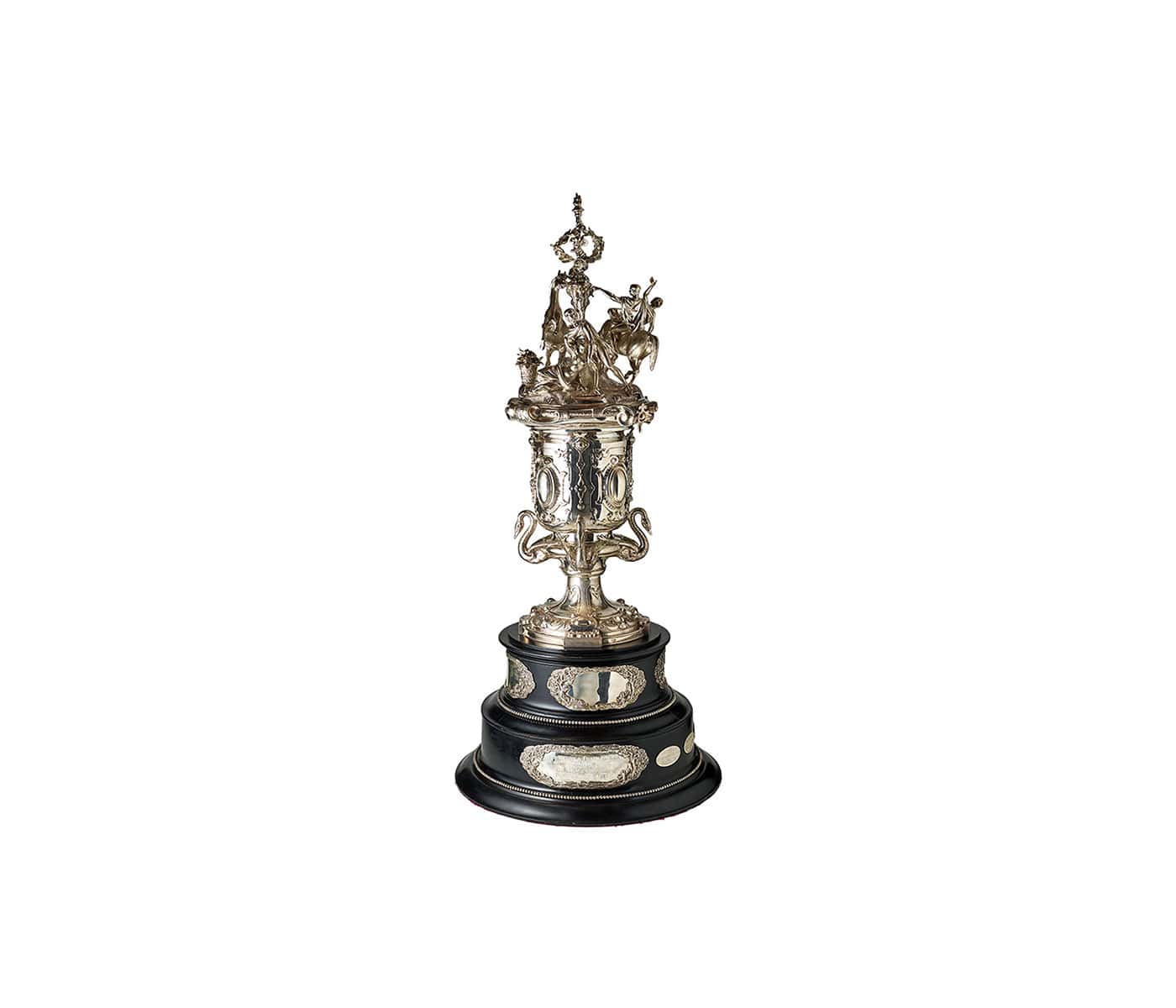
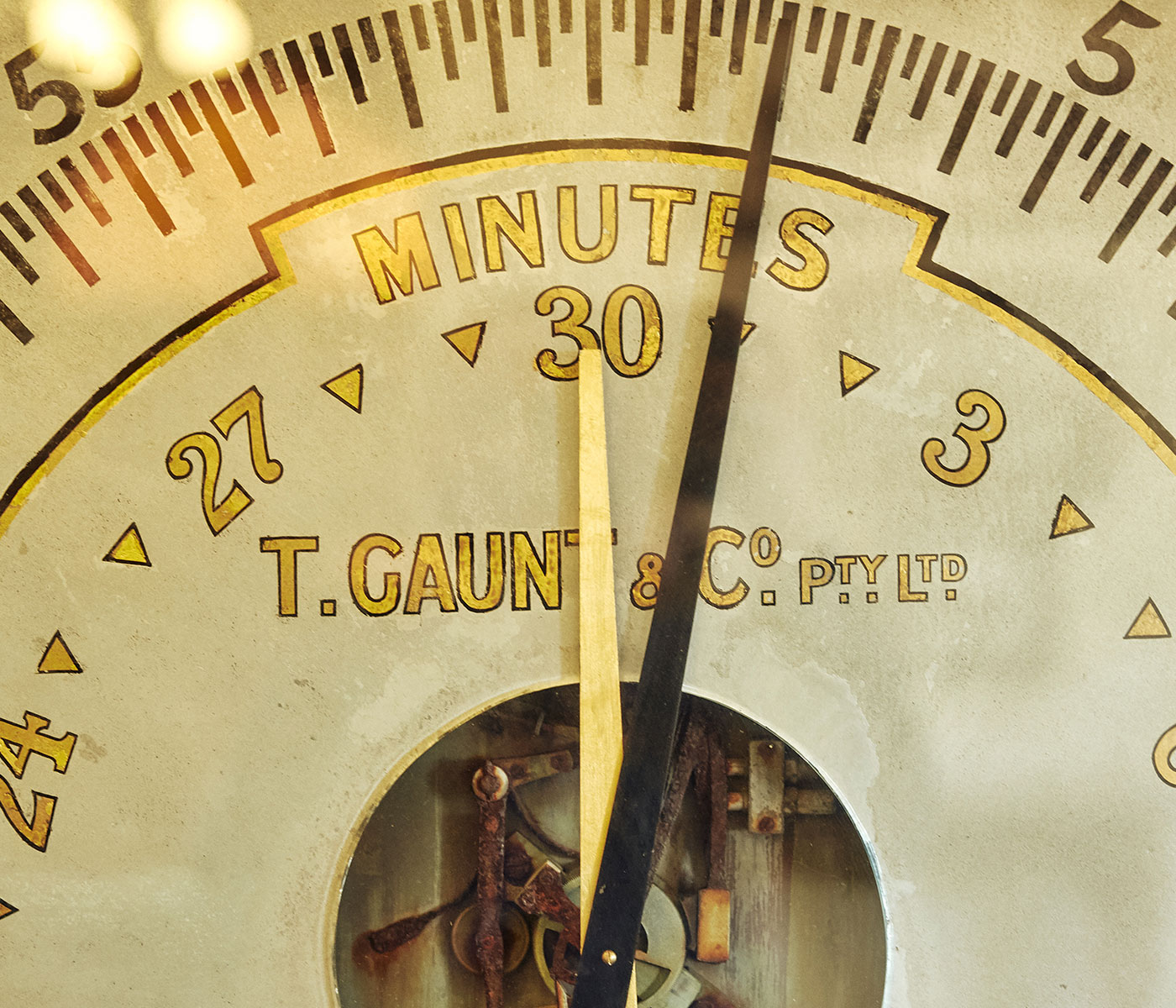
Timeline
Learn how the harbour city’s love affair with racing was influenced by the Australian Jockey Club and Sydney Turf Club, and then after their 2011 merger, the Australian Turf Club.