

Celebrating 100 Years of AJC/ATC at Warwick Farm: A Legacy of Racing Excellence
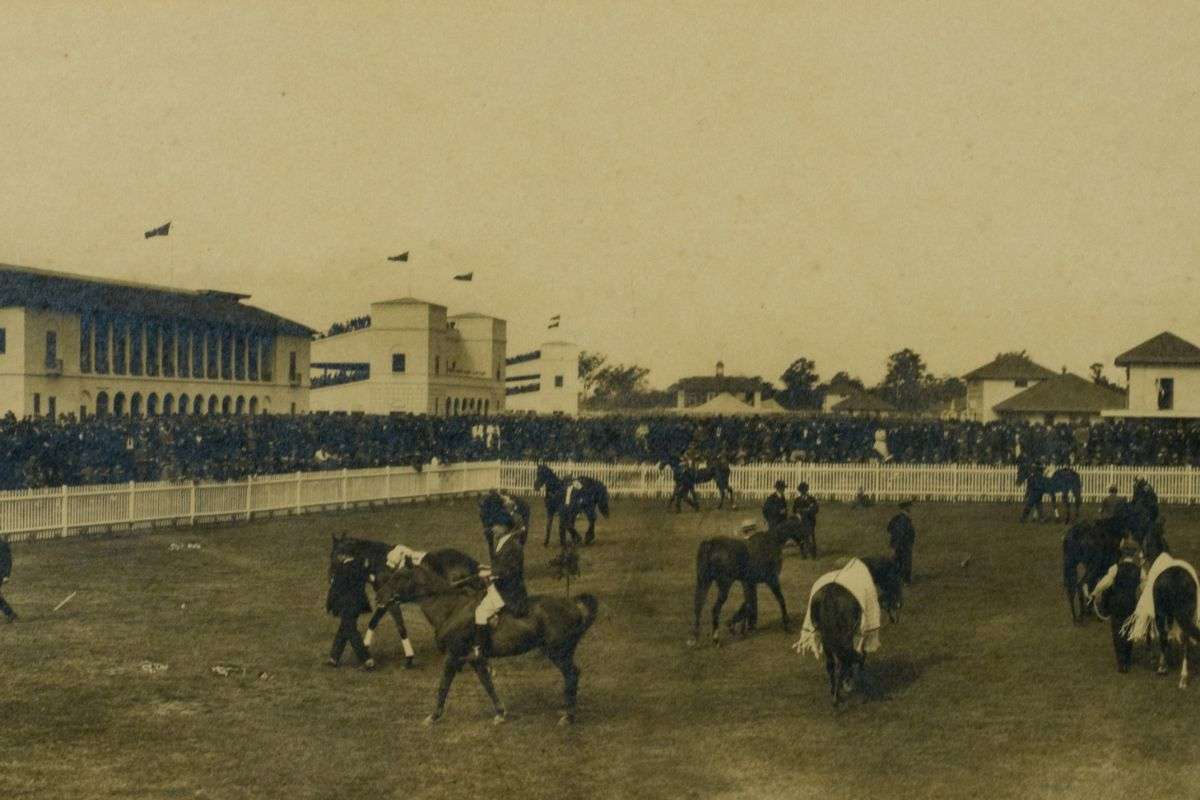
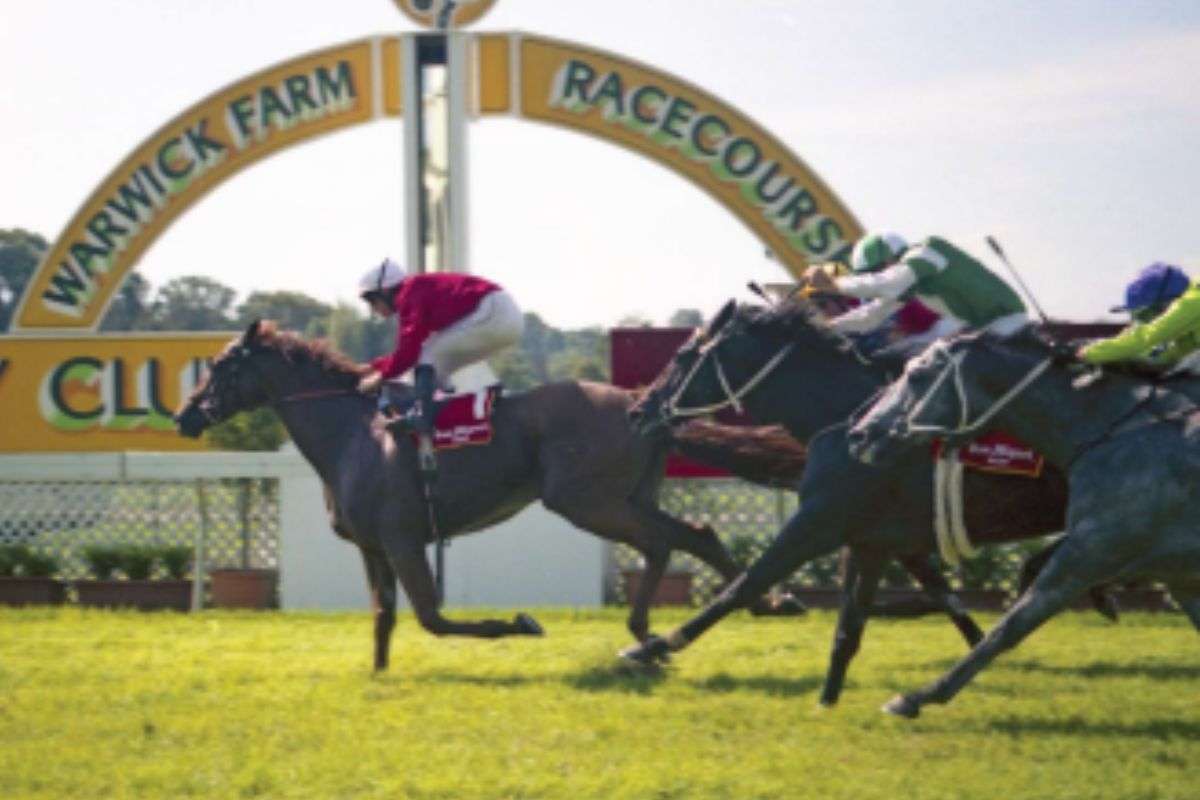
Warwick Farm’s history dates back to 1798 when land grants were given to settlers in the Liverpool area. By 1838, the area became known as Warwick Park. In 1875, William Alexander Long consolidated the land, using it for horse breeding and racing. He later sold part of it to William Forrester in 1882, who renamed it Warwick Farm. The first race meeting was held in 1889, attracting 5,000 spectators, and a railway line was constructed to improve access to the racecourse.
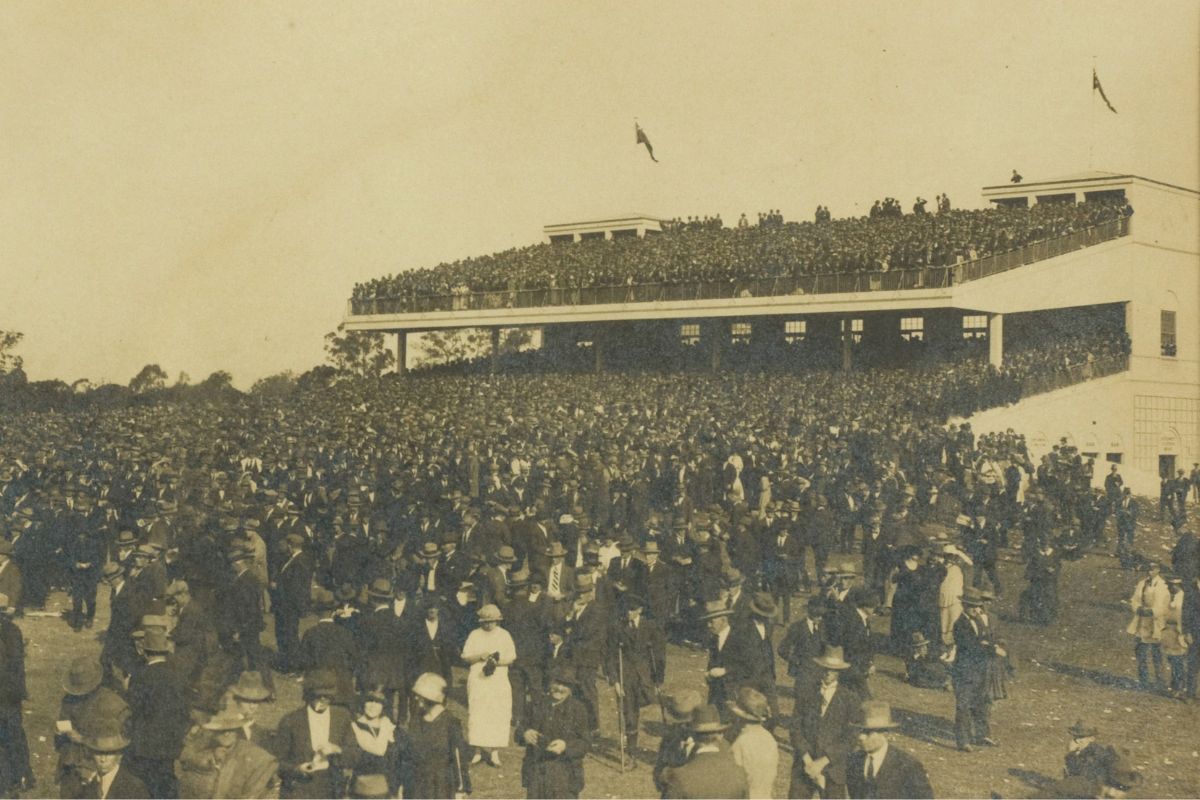
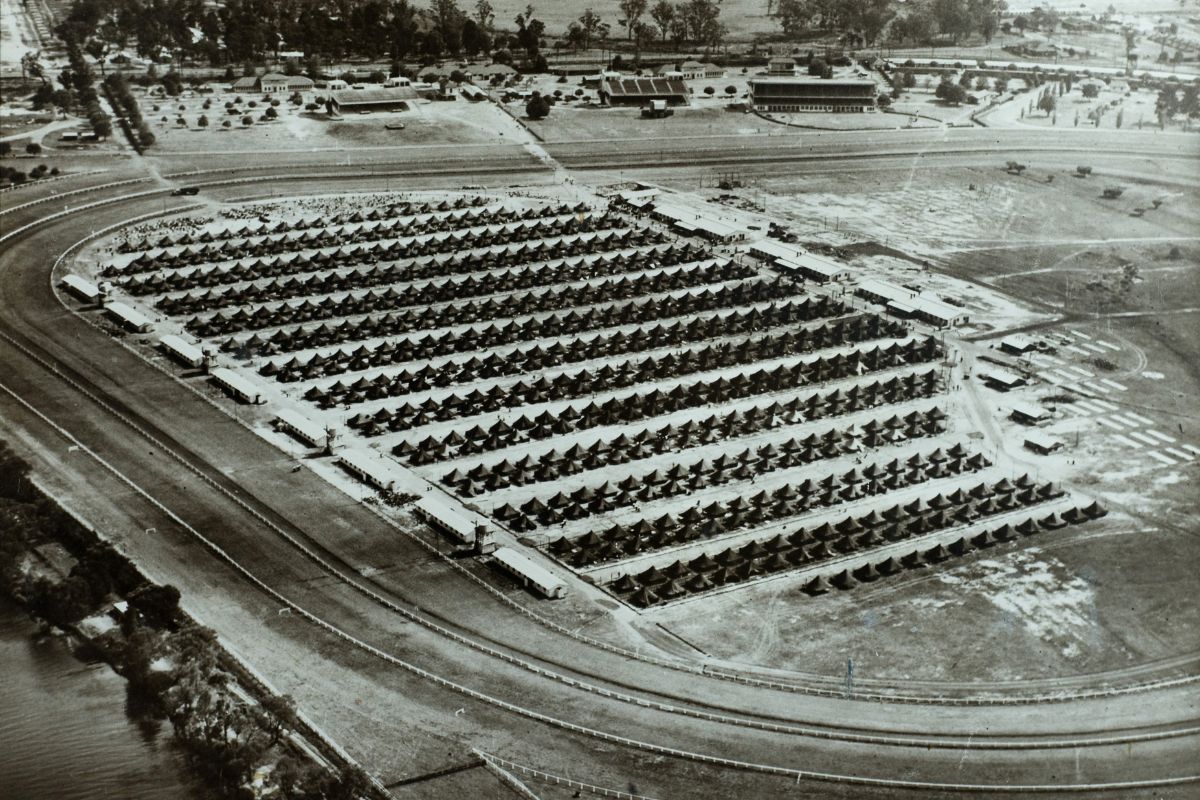
During World War I, Warwick Farm was taken over by the military and used as a training camp for the light horse units. The site was equipped with tent accommodation, storage facilities and officers’ quarters as part of extensive military operations in Liverpool.
After the war, racing resumed, but attendance remained low. In 1922, the Warwick Farm Racecourse Company decided to dissolve and the land was sold to the AJC which aimed to expand its training facilities.

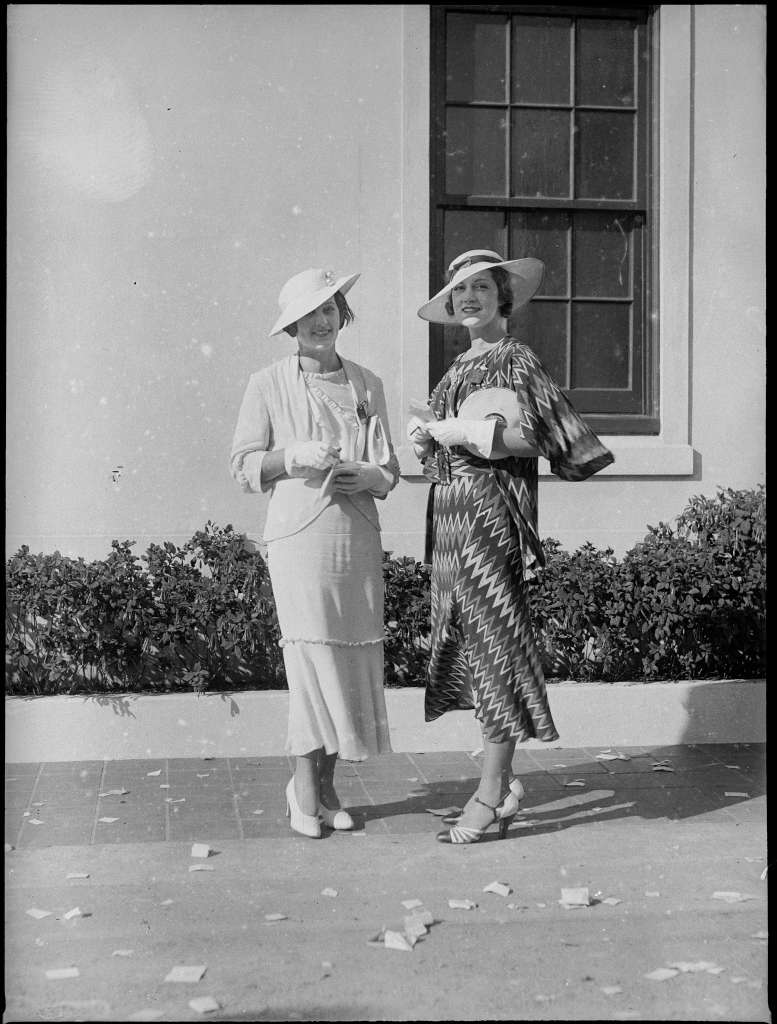
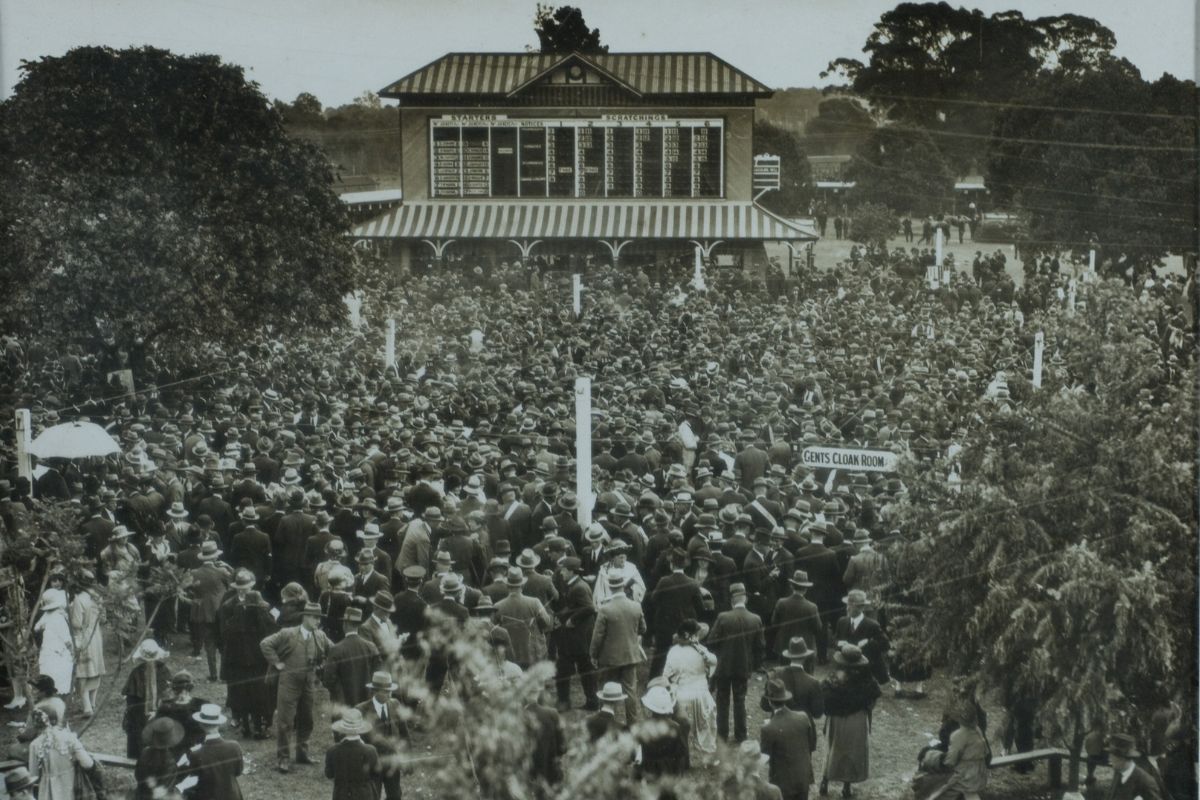
The AJC held its first race meeting at Warwick Farm on 27 January 1923 before closing the course for major renovations. Improvements included the installation of automatic totalisators, the construction of a new Official Stand with offices and seating for 2,000 along with an upgraded grandstand for 5,000 patrons and enhancements to the St Leger. The track itself was reshaped and updated. That same year, the Warwick Stakes was first run, though it took place at Randwick while Warwick Farm was under construction.
Warwick Farm officially reopened on 4 April 1925, drawing a crowd of 25,000. The reopening included the inaugural running of the Chipping Norton Stakes, won by Wallace Mortlake, marking a new era for the racecourse.
During World War II, Warwick Farm was once again taken over by the military. Initially, it was occupied by the 23rd Anti-Tank Regiment of the Australian Army.
In 1942, the site was assigned to the United States Army Service of Supply, which used a special train service to transport troops between Warwick Farm and Wynyard. After the Americans vacated the racecourse, it was taken over by the Royal Navy, accommodating 4,000 British naval officers.
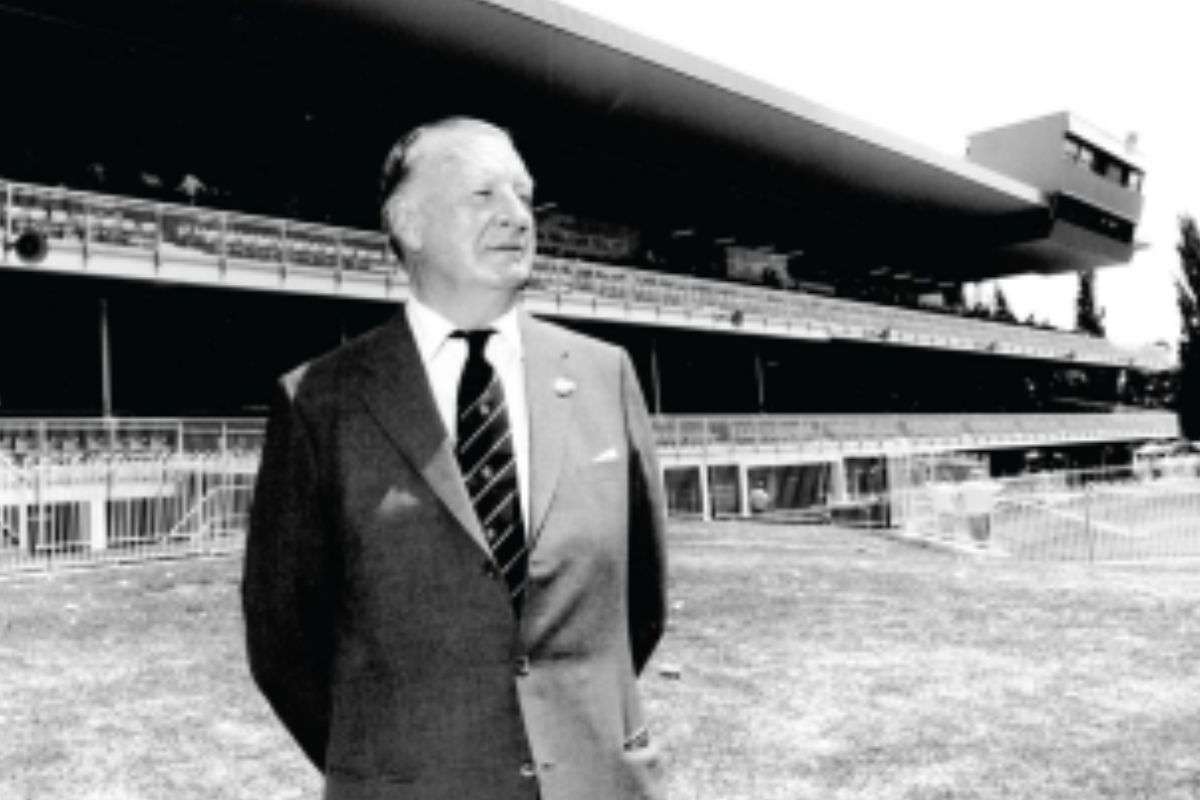
After the war ended in 1945, the racecourse was returned to the AJC and it was closed for refurbishment. Plans included the removal of military structures, relocation of the winning post, car park and garden improvements. Although a new Totalisator was planned, post-war shortages of building materials prevented its construction at the time.
Racing resumed in 1952 with a record-breaking crowd of 37,250.
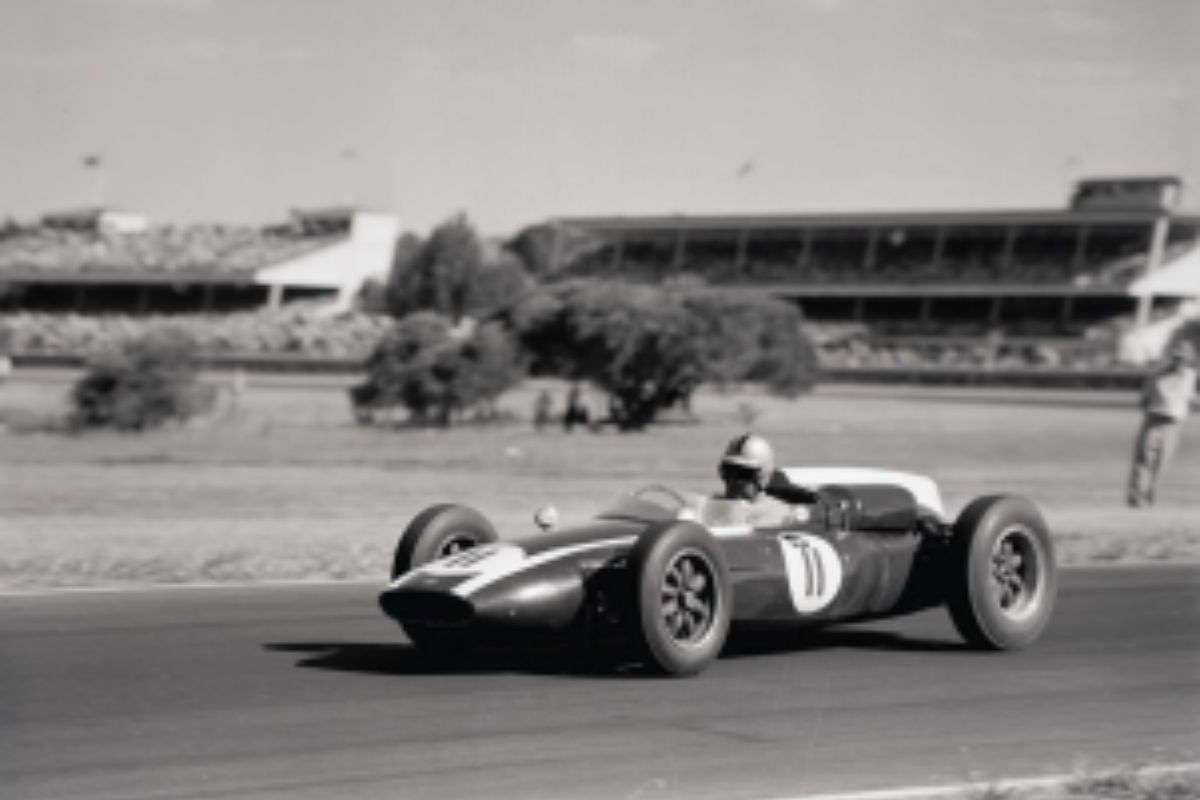
In addition to horse racing, Warwick Farm became a hub for other sporting events. Polo was introduced in 1956, and in 1960 a motor racing circuit was built. The venue hosted major motorsport events, including the Australian Grand Prix in 1963, 1967, 1970 and 1971. However, increasing maintenance costs and conflicts with horse racing led to the discontinuation of motor racing in 1973.
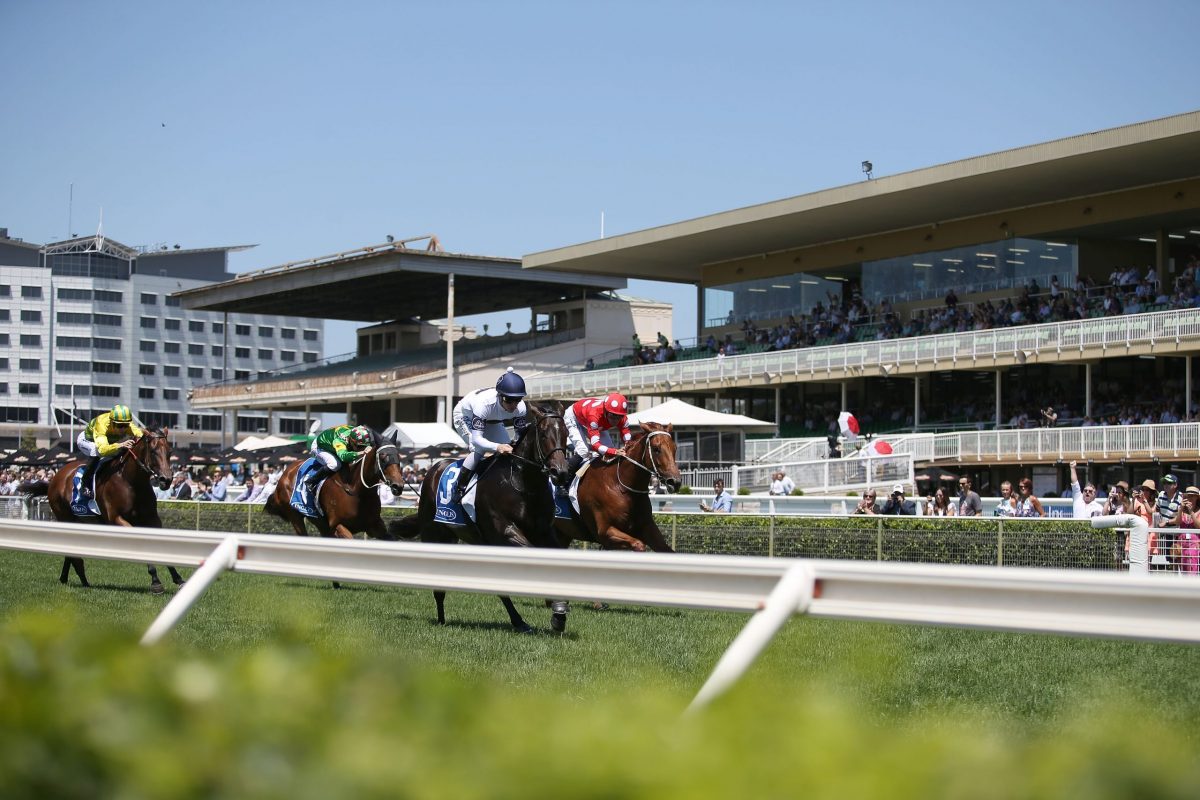
Extensive renovations took place in 1979, improving spectator stands and training facilities. The course officially reopened again in 1982. In 2011, the AJC merged with the Sydney Turf Club to form the Australian Turf Club, uniting the city’s four major racecourses.
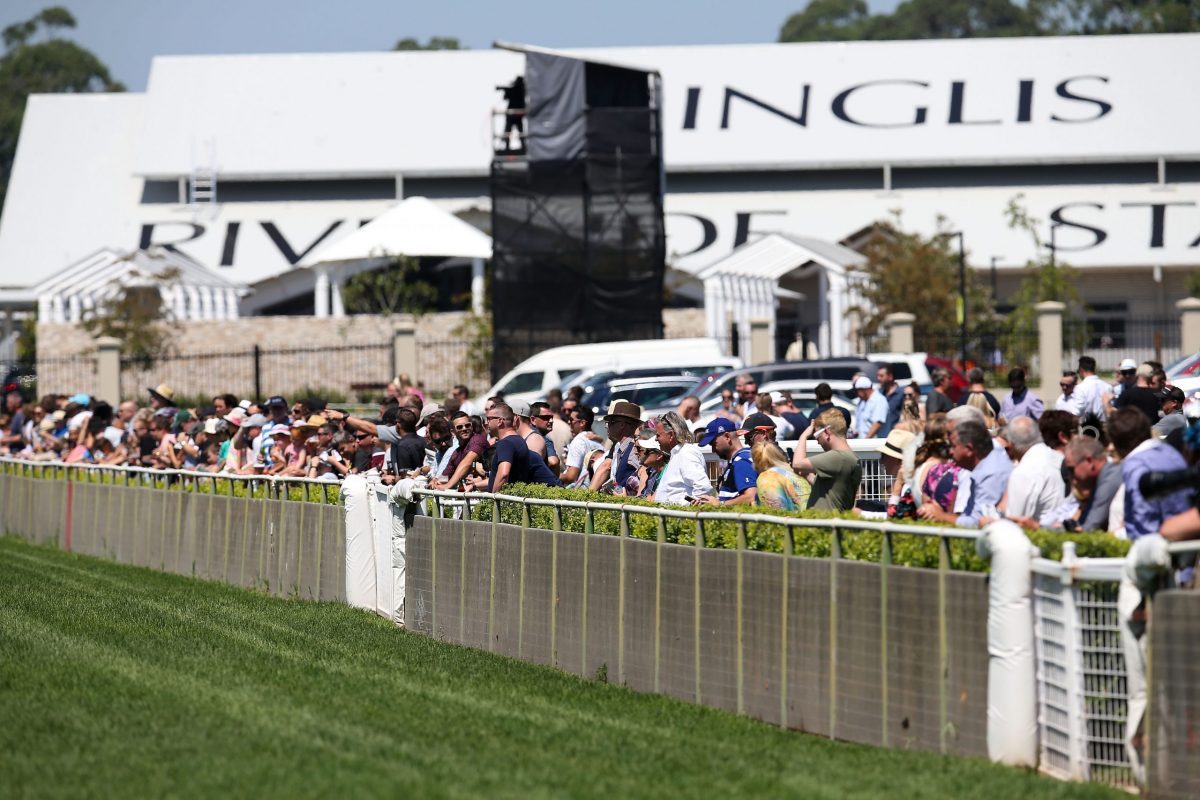
In 2017, the completion of the Inglis sales complex and hotel further solidified Warwick Farm’s role as a premier racing and breeding facility, enriching its already rich racing heritage.
View the timeline here.
Similar Stories
Sydney’s Golden Spring Run Continues on Bumper Card at Rosehill Gardens
A clash of some of Australia’s best three-year-olds heading towards a sought-after Group 1 event is one of many highlights..
ATC CEO Calls For Historic International Showdown in Sydney
Ka Ying Rising, Autumn Glow and Sheza Alibi! Australian Turf Club CEO Steve McMahon has called on racing’s powerbrokers to..
Spring Launches Everest Hopes on a Day Full of Stars at Royal Randwick
A leading pathway race to the $20 million TAB Everest and three more feature Group races brings Spring excitement to..